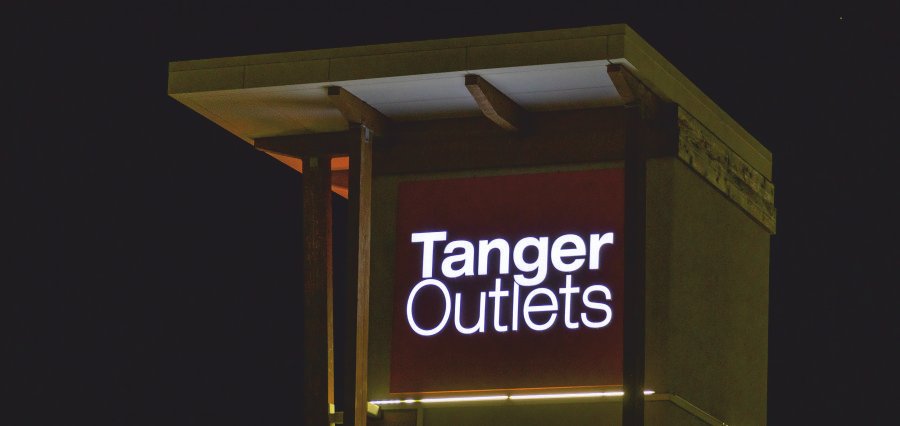
Prime Highlights:
- Tanger Outlets sees full parking lots and steady holiday traffic as consumers respond to value-focused promotions.
- Retailers are offering discounts to meet shoppers’ expectations, keeping sales strong despite lower consumer confidence.
Key Facts:
- U.S. retail spending rose 4.2% year-over-year during the holiday season, with in-store shopping making up 73% of purchases.
- Online sales grew 7.8% from last year, showing that digital channels continue to complement in-store activity.
Background:
U.S. shoppers remained active throughout the holiday season, but value was the clear deciding factor, according to Tanger Outlets CEO Stephen Yalof. Yalof said retailers across Tanger’s outlet portfolio relied heavily on discounts and promotions to attract consumers who are increasingly cautious about prices.
Despite weakening consumer confidence, Yalof described holiday traffic at Tanger’s outlet centers as strong, with full parking lots and steady footfall throughout November and December. He noted that widespread promotional activity helped sustain both traffic and sales during the peak shopping period.
“Retailers are discounting to meet the consumer, and the consumer is responding by shopping,” Yalof said, adding that shoppers are willing to spend when they feel they are getting consistent value.
Yalof explained that Tanger’s model centers on offering access to premium brands at prices that feel compelling every day. This approach allows customers to purchase items that might otherwise be above their preferred spending range, while still feeling confident they are getting good value.
Recent data support Yalof’s observations. Preliminary figures from Visa show that U.S. retail spending during the holiday season rose 4.2 percent year over year before inflation adjustments. In-store shopping accounted for 73 percent of total spending, while online sales continued to drive growth, increasing 7.8 percent compared with last year.
However, consumer sentiment tells a more cautious story. The Conference Board reported that its consumer confidence index fell 3.8 points in December to 89.1, reflecting growing concerns over persistently high prices and the economic impact of sweeping U.S. tariffs. Similarly, the latest All-America Economic Survey found that 41 percent of Americans planned to spend less this holiday season, up from a year earlier.
Despite these headwinds, Yalof remains optimistic about the future of physical retail. He said retailers are already expressing confidence in demand looking into 2026, with brands increasingly seeking to expand their own brick-and-mortar presence as department stores continue to consolidate.
“The customer is very resilient,” Yalof said. “They’re looking to spend, but they want value.”