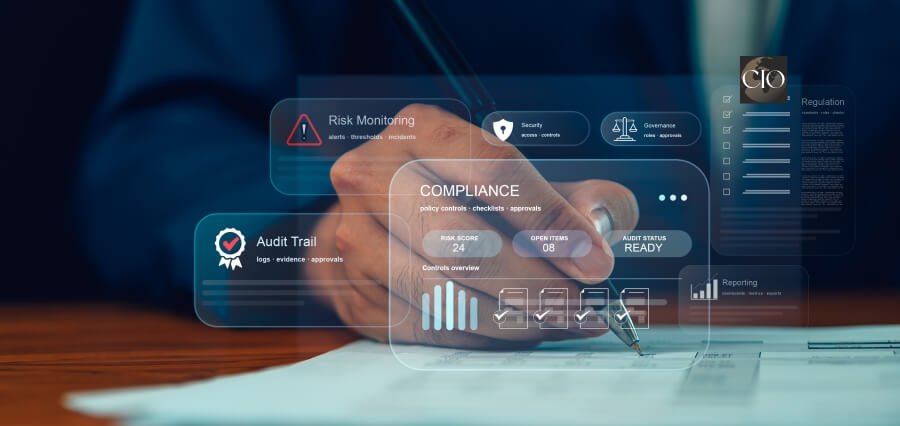
Corporate Risk Financing
Organizations across a bunch of different industries are now working in environments that are more and more uncertain, kind of shaped by cyber threats and also by regulatory complexity, climate related disruptions, economic swings, and even shifting customer expectations. At the same time, businesses have to juggle operational growth with financial stability. So they’re also trying to get ahead of risks that can interrupt day to day productivity and slowly weaken long term performance. In this whole setup, risk management is starting to look like a core business focus for organizations that want resilience and sustainable growth.
So, as a result, more and more companies are putting money into Corporate Risk Financing strategies that aim, to really bolster financial protection and keep operations running without interruption. The old school insurance setups are, in many cases, just not enough for firms dealing with complicated risks that are linked together. Now organizations also want funding paths that are a bit more adaptive—something that can move with shifting operational environments and with those industry specific, challenges that show up at the worst times.
At the same time, rapid digital progress is speeding up the Insurance Technology Transformation across global markets. Artificial intelligence , automation predictive analytics, and cloud based systems are reshaping how insurers look at risk, deal with claims, and deliver tailored coverage options. It seems like these technologies are enabling companies to boost operational visibility , while at the same time reinforcing their financial planning.
Strategic Financing and Operational Stability
Modern organizations are starting to see that risk management really should connect up with day to day operations and financial goals. The old insurance-style thinking was mostly about covering a business after something already went wrong, so, compensation came only after the loss. Nowadays though, the emphasis is more on preventing issues, dampening the impact, and building long-run resilience as part of larger strategic planning efforts , not just reacting later.
A lot of businesses are now putting together Corporate Risk Financing frameworks, sort of like captive insurance structures plus self insurance programs and various alternative risk transfer solutions. In practice these things help an organization get more say over financial exposure while still pushing cost efficiency and operational flexibility, which is kinda important. When a company leans into integrated financing models, they tend to be better equipped to handle market disruptions, and keep things running steadily even when conditions get uncertain.
Similarly, Insurance Technology Transformation is helping to boost underwriting accuracy and risk assessment skills through data-driven analytics, you know in a practical way. Insurers can now judge operational risks in a more effective manner and create personalized coverage strategies off real time business insights. In the end, these improvements feed into better pricing models, tighter claims management processes and insurance services that respond more quickly to what’s happening.
Technology and Digital Innovation
Organizations that use more advanced Corporate Risk Financing approaches are now leaning heavily on digital monitoring systems , plus operational analytics, to help strengthen prevention efforts and shape better incident response planning maybe. With real time operational visibility, businesses can cut down on downtime, support continuity planning more effectively, and generally reduce the monetary impact from disruptions that pop up unexpectedly.
At the same time Insurance Technology Transformation is pushing ahead innovation, in insurance product development and service delivery. Stuff like usage based insurance , automated claims systems, and digital underwriting platforms are enabling organizations to reach more efficient and scalable insurance solutions. Basically these technologies make administrative processes easier while also boosting transparency, and operational responsiveness.
Leadership and Long Term Resilience
Strong leadership still stays essential for organizations to deal with all that uncertainty, while also keeping growth going and operations remain stable. In practice, businesses need leadership teams that can sort of juggle expansion ambitions with financial safeguards and good, accountable operational planning.
Effective corporate risk financing strategies help organizations improve liquidity management, strengthen their business continuity frameworks and reduce exposure to those unexpected operational disruptions. In general, the businesses that blend their financing approaches with everyday operational planning, are often in a better spot to maintain stability when there is economic uncertainty, and also when market volatility shows up.
Likewise, Insurance Technology Transformation helps with higher organizational adaptability, kind of lets insurers and businesses respond more effectively when operational conditions shift. Companies in sectors like healthcare, logistics, manufacturing, and energy, often really need specialized insurance solutions, that can handle the risk profiles and regulatory requirements that are specific to each industry.
As global business environments keep changing, organizations will be leaning more and more on strategic financing solutions plus technology driven insurance frameworks to stay competitive, and resilient. The companies that put money into proactive risk management, digital innovation, and operational planning will tend to see stronger long term steadiness and durable growth even as international markets get more and more complex, everywhere today.