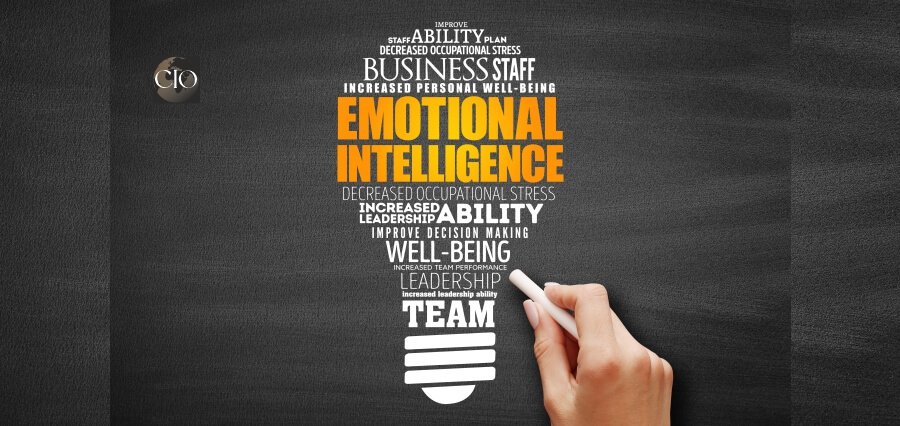
Emotional Intelligence Coaching
Leadership competency in today’s fast-paced business world does not depend just on technical skills and achievements. Today’s good leaders must be able to instill confidence, promote cooperation and communication while adapting to changes. Businesses have come to understand the importance of emotions for leadership success, making Emotional Intelligence Coaching one of the crucial elements of executive training, providing leaders with self-knowledge, compassion and interpersonal skills. Another important skill that contributes to leadership competency is Strategic Executive Communication, which helps leaders to communicate visions and develop organizational relationships.
The Growing Importance of Emotional Intelligence
Today’s organizations need leaders that can relate to other individuals and make well-calculated decisions. Emotional intelligence is one of the qualities that define successful managers because of its impact on teamwork, resiliency, and decision-making. Emotional Intelligence Coaching enables leaders to be guided through understanding their emotions, perceiving others’ viewpoints, and reacting to difficult situations appropriately.
In Emotional Intelligence Coaching, the executive learns how to develop his self-regulation skills, become an empathic person, and build better relationships. This results in the development of healthy organizational culture within which people are respected and feel encouraged to do their best. Emotional intelligence is also an attribute of an effective conflict manager.
As organizations become increasingly diverse and globally connected, emotionally intelligent leadership continues to play a critical role in driving sustainable organizational success.
Communicating with Purpose and Influence
Effective communication is one of the most important qualities of any leader in modern business. Leaders need to communicate their business strategies and goals in order to inspire confidence and collaboration. Strategic Executive Communication is designed to help executives build their communication skills in order to achieve all of the above mentioned.
Strategic Executive Communication goes way past being good at making presentations or speeches. It encompasses good listening, good messaging, transparent discussion, and continuous communication throughout the organization. Communicating authentically builds trust and reduces ambiguity in the process of change within an organization.
Purposeful communication also strengthens alignment by ensuring employees understand both organizational goals and their individual contributions toward achieving them.
Building High-Performing Leadership Cultures
Leadership training programs will be more successful if the organizations place emphasis on developing emotional competence and communication skills. Emotional Intelligence Coaching is an approach that enables the development of resilient, adaptable and collaborative leadership in positive working environments.
While this is happening, Strategic Executive Communication helps shape organizational culture through transparency and accountability. Effective communication on the part of leaders will enhance their connections with the organization’s employees, customers, investors, and business partners.
Combined, emotional intelligence and good communication skills lead to greater employee engagement, effective collaboration, and enhanced organizational performance. Employees get aligned, driven, and more competent in meeting business goals.
Leading Through Change and Uncertainty
In today’s business environment, there is constant change brought about by technological advancements, changes in markets, and changing customer needs. In times of uncertainty, it is especially important for leaders to be effective. Emotional Intelligence Coaching helps executives handle pressure, be empathic, and remain calm in leading their organizations through change.
Those leaders who have EI know the impact of change on their employees and react to that with empathy but keep a clear mind. They develop resilience through communication and supporting their teams during the change process.
In the same manner, Strategic Executive Communication helps leaders to communicate changes within an organization effectively while instilling sense of direction and purpose. Effective communication eliminates confusion, builds trust and motivates employees to adopt change confidently. Organizational units that exhibit emotional intelligence and effective communication skills will have no problems coping with disruption.
Creating Lasting Leadership Excellence
The future of leadership would demand executives who have strategic visions along with superb people skills. Companies which would focus on Emotional Intelligence Coaching would develop leaders who would generate trust, build strong relationships, and foster an environment of inclusion at their workplaces.
Similarly, Strategic Executive Communication will continue to be one of the key foundations for the success of executives, as it will allow them to impact their stakeholders, convey their vision, and align the organization around it. Effective communication will help understand, adopt, and implement the strategy.
Combining Emotional Intelligence Coaching with Strategic Executive Communication offers a strong base for leadership excellence. Through fostering emotional intelligence, effective communication skills, and ongoing leadership development, companies will be able to foster higher levels of engagement, improve decision making, and develop leadership cultures that will be ready to meet any challenges in the future. In an era when the requirements of modern leadership keep changing, leaders who have both these complimentary qualities will definitely enjoy an advantage.