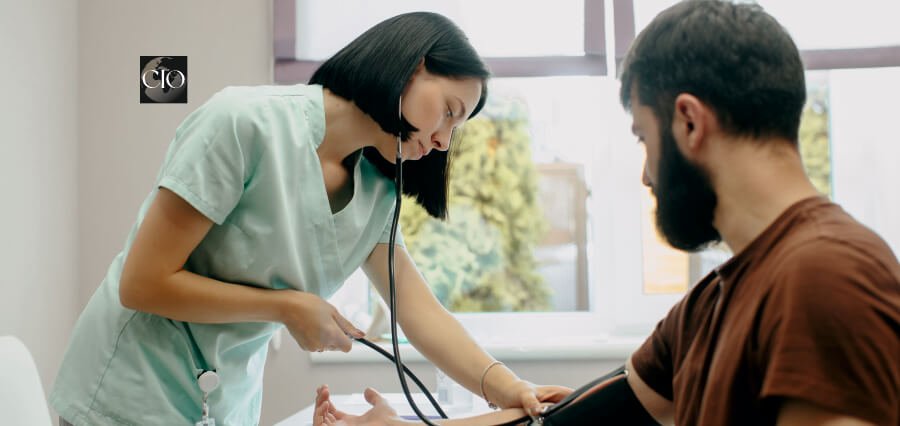
Primary Care Specialists
As healthcare systems keep adapting to new patient needs and these rapid, kind of always-on technological jumps, the role of Primary Care Specialists is becoming more critical than ever. These healthcare professionals act as the first point of contact for patients, while giving preventive care, handling long-term conditions, and putting together treatment plans across different specialties. Alongside all that, Women Leading Medical Innovation are pushing forward meaningful changes that are reshaping how healthcare is delivered, how research gets done, and even how organizations are led.
Strengthening Healthcare Through Coordination and Prevention
One of the biggest strengths of Primary Care Specialists is that they can offer a fairly comprehensive and ongoing type of care. When they build long term relationships with patients, they also get a clearer read on each person’s history and in the meantime, they can spot potential risks before those issues turn into serious concerns. This sort of proactive method really does help with better outcomes overall, and it also takes some pressure off healthcare systems, in a practical sense.
Preventive health care has become way more important lately, like chronic conditions such as diabetes, cardiovascular disease, and obesity keep impacting populations worldwide. With early action and patient coaching, Primary Care Specialists really do play a key role in encouraging healthier communities, and also in lowering the overall health care expenses, sooner rather than later.
The Rise of Women Leading Medical Innovation
Across healthcare, Women Leading Medical Innovation are making pretty significant contributions in areas like clinical research and healthcare tech, as well as policy building and executive leadership. Their efforts seem to help organizations move toward newer, more refined approaches that boost efficiency, expand access, and support better patient outcomes, at the same time. In other words, it’s not just one track; it is all over the place.
The growing influence of Women Leading Medical Innovation shows broader shifts inside healthcare, where diverse viewpoints are now seen more often as a real push behind progress. They’re challenging what used to be “the way,” and at the same moment bringing in fresh thoughts, so organizations can adjust to a changing environment. It’s kind of a ripple effect, honestly, like new energy is moving through the system, and it starts to matter.
Driving Digital Transformation in Healthcare
Technology is changing pretty fast in how healthcare services are delivered. Like telehealth platforms, wearable devices, and advanced analytics with artificial intelligence, digital tools make it possible for providers to offer more tailored and efficient care. Primary Care Specialists are kind of leading this shift, using tech to improve diagnosis, refine treatment planning, and keep patient involvement more consistent. In practice, it can feel seamless, but it’s also a big transformation underway.
At the same time, Women Leading Medical Innovation are helping shape and guide the development, as well as implementation of these technologies. Their leadership makes sure that the innovation stays tuned to what patients actually need, along with the ethical considerations, and broader healthcare accessibility goals. It feels like a balanced approach is crucial, especially for maximizing the benefits tied to digital transformation.
Advancing Health Equity and Patient Engagement
Healthcare equity still feels like this big, ongoing priority for organizations around the world. Primary Care Specialists often end up working right with diverse people, so they are kind of uniquely placed to spot disparities in access, and results too. When they advocate for preventive services, and that community-based care angle, they can help tackle barriers that quietly, or not so quietly, restrict healthcare access.
Meanwhile, Women Leading Medical Innovation keeps on championing these kinds of initiatives, focused on inclusion, patient empowerment, and a fairer way to deliver healthcare. They put real energy into building systems that do a better job for underserved, and sometimes overlooked, vulnerable populations.
Preparing The Healthcare Workforce of Tomorrow
The future of healthcare pretty much depends on a skilled, and adaptable workforce. Primary Care Specialists aid in workforce development by mentoring younger professionals, swapping expertise, and encouraging patient centered care principles. In a way their role in education is part of it, too, because it helps ready for the future healthcare providers to handle environments that are becoming more and more complex clinically.
Similarly, Women Leading Medical Innovation act as influential role models for aspiring professionals, in a way that kind of sticks with people. With mentorship, research, and leadership, they gently show the next generations a path toward real innovation while still keeping their focus on quality care, and ethical practice.
Conclusion: Innovation And Care Working Together
The continued success of modern healthcare systems depends on the combined work of Primary Care Specialists and Women Leading Medical Innovation, together they’re helping to improve patient outcomes, push forward new healthcare technologies, and build a more effective models of care, overall.