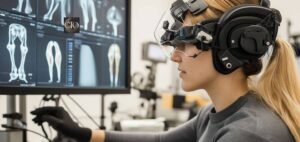
In the current environment of modern veterinary practices, technology has brought about an age where it is shaping the way care is delivered, operations are conducted, and the bond between the veterinary practice and its clients is improved. In this new age, as the expectations increase, the need for efficient diagnosis and treatment of diseases, communication with the pet owners, record keeping, and individualized treatment plans become essential. To meet all these requirements, it takes more than technical proficiency on the part of the veterinarians. It also requires proper utilization of technology.
In modern times, innovations are being made in the field of veterinary practices to increase efficiency and improve results. With the use of technologies like digital record keeping, advanced diagnostic machines, and telemedicine systems, veterinary practices are able to provide high-quality services with less paperwork. Technologies for veterinary healthcare have been the key factor in this transition process.
Smarter Clinical Operations
Management of a veterinary clinic involves the use of proper management systems whereby the veterinary professionals are able to concentrate on their work without having to deal with the paperwork. Technology within veterinary healthcare has greatly enhanced the process of practice management through digital means where all manual activities such as scheduling, maintaining of patients’ information, billing, managing of stock and communicating are done using one software application. Electronic medical records play a key role in contemporary veterinary medicine.
While traditional medical records need to be physically available at the moment of decision-making, digital records offer instant access to a patient’s medical history, vaccination schedule, lab results, imaging results, and treatment plan. In this way, decision-making processes are improved since veterinarians can use all the needed information almost immediately. Furthermore, automated reminders for vaccines, annual visits, and follow-up visits will allow clinics to increase client loyalty and focus on preventive medicine. Cloud solutions add even more flexibility to the process as they enable veterinarians to access medical information of their patients from any location.
Advancing Patient Care
A great number of innovations have taken place concerning technological diagnosis within veterinary clinics. Due to innovations within the field of Veterinary healthcare technology, digital x-rays, ultrasounds, computerized tomography, and other advanced laboratory devices help make diagnosis quicker and more accurate. Diseases are detected timely, which allows veterinarians to start treatment in time, thus making patients recover and maintain good health for a long period of time. Recently, wearable monitors have become quite popular; they allow for ongoing health tracking and provide valuable information for diagnostics.
Such kind of monitoring helps to make it easier for veterinarians to detect health issues that may not be easily detected during regular checkups. It will also allow pet owners to monitor the health of their pets and take necessary medical action before any health issue becomes more complex. In telemedicine, the practice of veterinary medicine has been improved through virtual consultations on various matters including follow-up, behavior, nutrition, and minor medical concerns.
Preparing for the Future
The future of veterinary medicine would entail the use of innovations, data-based decisions and more collaboration between technologists and medical practitioners. The use of predictive analytics will facilitate detection of disease trends, monitoring of population’s health and development of preventive measures. Machine learning algorithms will continue improving the diagnostic process and assist veterinary doctors in handling difficult cases. Cybersecurity has become another major issue that is just as important as the adoption of digital technologies in veterinary clinics. Secure cloud computing, encryption of communications, software updates and employee training are crucial for maintaining security of patients’ records and finances.
Clinics which incorporate advanced cybersecurity practices not only build client trust but also help them comply with increasingly stringent privacy laws. Technology is also very important for employee training and sustainability. Online learning and simulation-based training allow veterinary professionals to keep themselves updated about the latest information and technology without disturbing their routine schedule. An automated inventory control system assists clinics to stock adequate quantities without wastage, thus, having all necessary medication and supplies in easy reach. This not only builds financial stability but also ensures high quality of treatment.
Conclusion
Modern technology has helped bring about many advancements in the field of veterinary care through increased efficiency, improved diagnosis, and better experiences for the patients. Technologies ranging from electronic health records to imaging systems, telemedicine, and data-based decision-making have helped veterinarians increase their efficiency and provide better health services to their patients. As technology keeps advancing, clinics that adopt the right technology will find themselves in a better position to meet the demands of clients.
Technology delivers its greatest value when veterinarians combine it with their expertise, empathy, and clinical judgment. Veterinary healthcare’s future is all about striking the correct balance between technology and human care. Using Veterinary Healthcare Technology Solutions will ensure that vet practices will be able to increase their efficiency, provide better treatment results, gain the trust of their clients, make sound decisions, adapt to the changing needs of the market, and create a sustainable future.